
- Onboarding
What actually breaks in offshore legal staffing overnight?
Nobody we placed has quit over nights. The firms that get this wrong solve for the wrong thing.
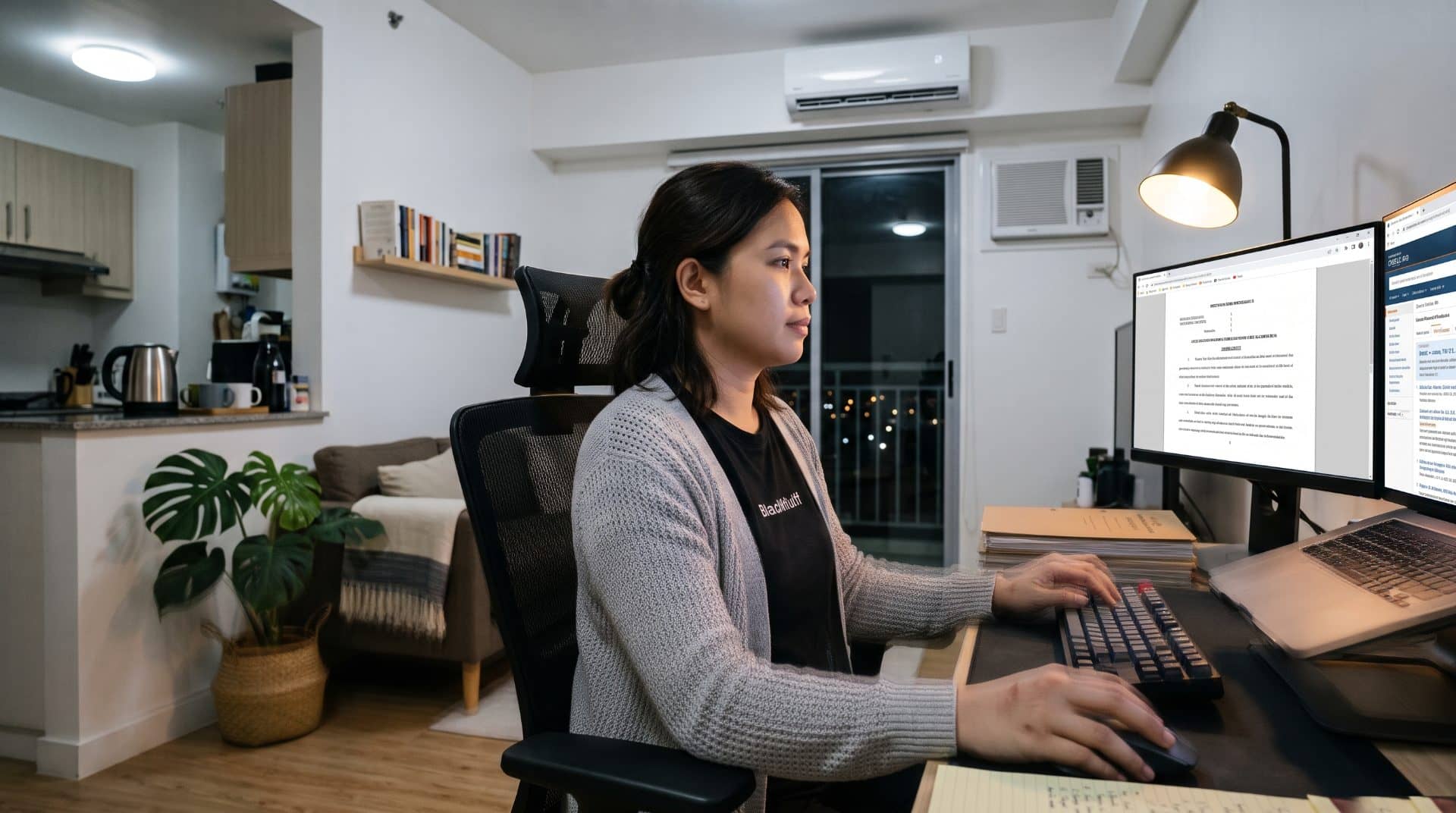
Offshore legal staffing runs on US hours, and nobody we have placed has quit over the schedule. Not one. The objection I hear most is that Manila cannot hold those hours for long. Sixteen years as the prime BPO destination already answered it. Those workers run full overlap with their principals. They have done it since before most US firms had a remote policy at all.
Why does the night shift objection come up in every offshore legal staffing call?
Every firm asks, because fatigue sounds like the thing a careful buyer checks. A managing partner pictures someone working 9pm to 6am and imagines errors on a matter. Nobody wants to buy that. It is a real chain of reasoning, and I would rather hear it than not. The chain holds. It is the first link that is wrong.
But the picture underneath it is imported. It assumes the night shift is an imposition on someone who has never worked one. In the Philippines it is an ordinary career condition, and has been for over a decade and a half. Doctors work it, nurses work it, police work it. So do a very large number of people who have spent their whole working lives on a US client's clock. A firm asking whether that is sustainable is asking a question the labor market answered a long time ago.
The objection rests on a stereotype about endurance. What it should be asking about is setup.
What actually decides whether someone holds US hours
Two things carry a night schedule, and neither one is willpower. Intentional preparation, and a proper setup at home. That is the whole of it.
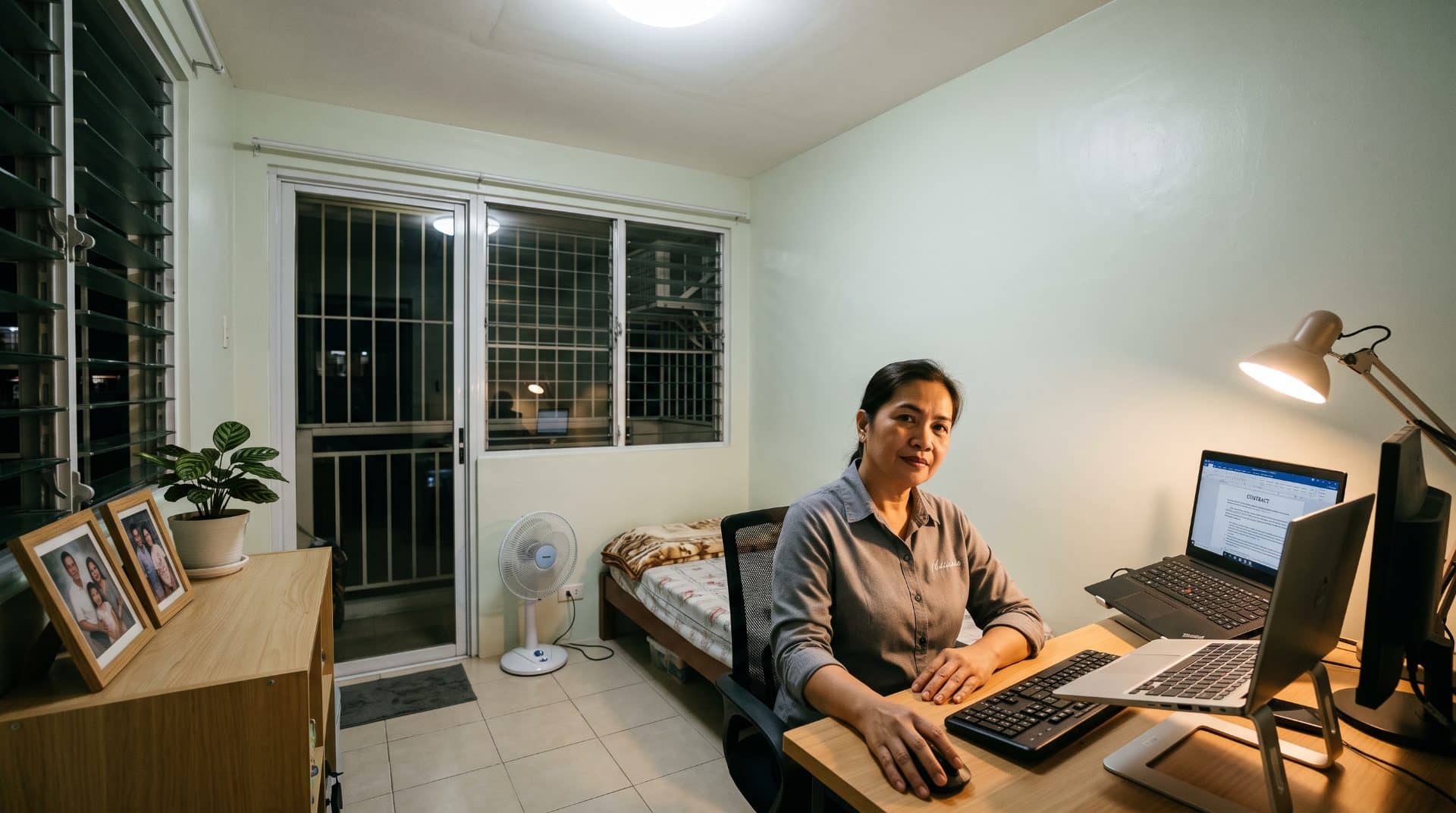
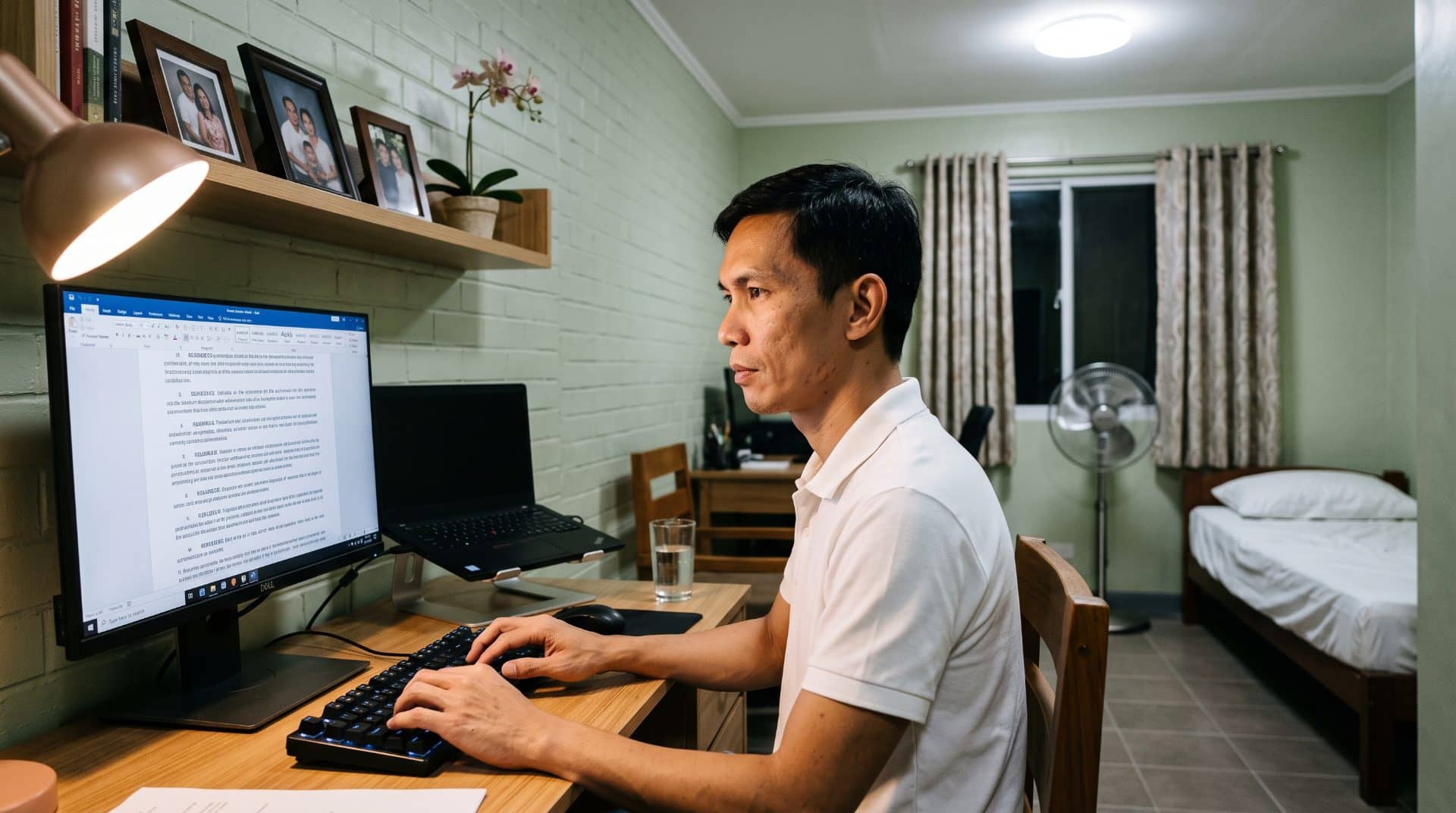
Preparation means the person planned for the schedule rather than agreed to it. Sleep moved before day one. The household was told. They know what the first three weeks feel like, because they have done it before or watched someone close to them do it. Setup means a room that goes dark and a door that closes. Not the kitchen table at 2am with the family asleep ten feet away.
Once the circadian rhythm adjusts, US hours are just working hours. The word doing the work in that sentence is adjusts. Different people get there at different speeds. That speed is the only real variable.
Which means the question to ask a candidate is not whether they can handle nights. It is what their last night-shift stretch looked like and where in the house they sit. Two questions. Both answerable in the first call.
What firms should be worried about instead of the clock
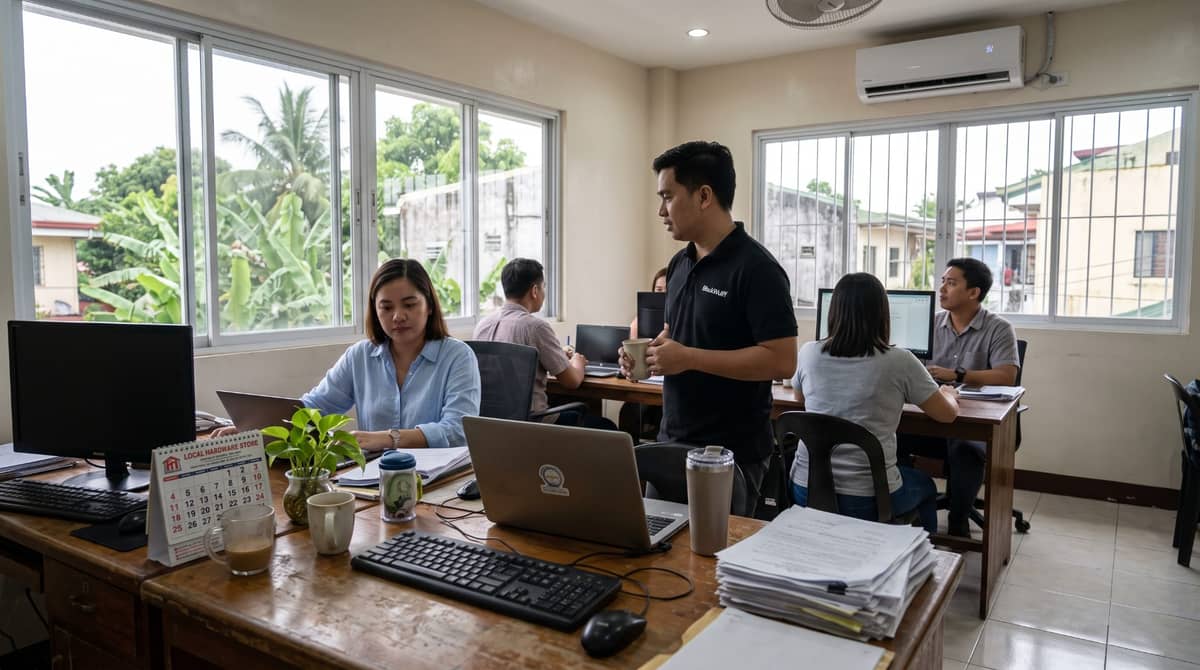
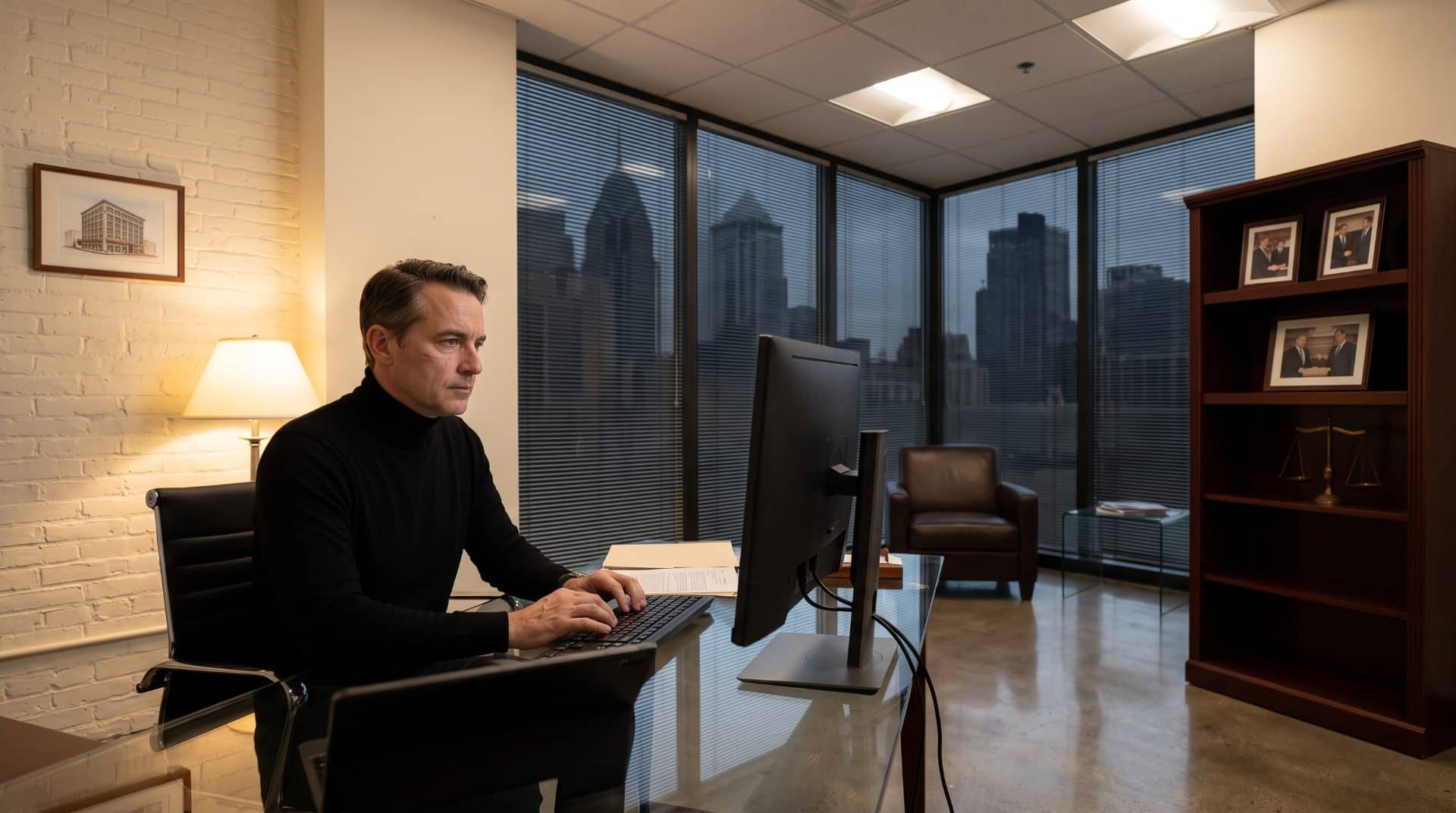
Review capacity is the thing to worry about, and it gets almost no airtime. The clock is the cheapest part of the arrangement to get right. Somebody at the firm has to read what comes back. That person's week has a fixed number of hours in it.
An overnight hire produces work while the firm sleeps. Good. The work is waiting at 8am, but the person who has to read it has six matters of their own and forty minutes free. Production went up. Review did not. Outsourcing changes the cost of producing work and not the cost of reviewing it.
That arithmetic decides whether offshore legal staffing works, and it has nothing to do with time zones. A firm can run perfect overlap and still choke. A firm can run a twelve-hour offset and clear more than it ever has, if somebody named is reading. The schedule question has never cost one of our placements. The review question has cost firms plenty.
Name the reader.
How to test the night shift question before you make an offer
Ask for the record, not the promise. Average tenure on night-shift roles tells you more than any answer to "Are you comfortable with US hours?" Everybody answers that one the same way. A record is checkable in a first call and a promise is not.
- Ask how many years of their career have run on a US or overnight schedule, and at which employers.
- Ask where in their home they work and what happens in that room at 3am.
- Ask what their first two weeks on a new night schedule usually look like. Somebody experienced has a specific answer.
- Ask nothing about stamina. Nobody has ever failed that question in an interview.
A candidate who has never run overnight hours is not disqualified. The burden of proof just moves onto them, and they should be able to say what they have arranged. Somebody who has not thought about the room has told you something already. The stereotype asks whether a person can survive the hours. The record answers whether they already have.
Check the room.
People also ask about this
Do offshore staff actually work US business hours, or just overlap partially?
How long does it take someone to adjust to a US night schedule?
What actually makes a night schedule fail for an offshore hire?
Related Topics

Recommended Readings


Build Your Offshore Team Risk-Free
No upfront cost. Fill roles in 14 days. Pre-vetted, not just pre-screened.