
Hiding your offshore legal staffing is what clients feel
Clients never audit the staffing. They feel every detour built around it.
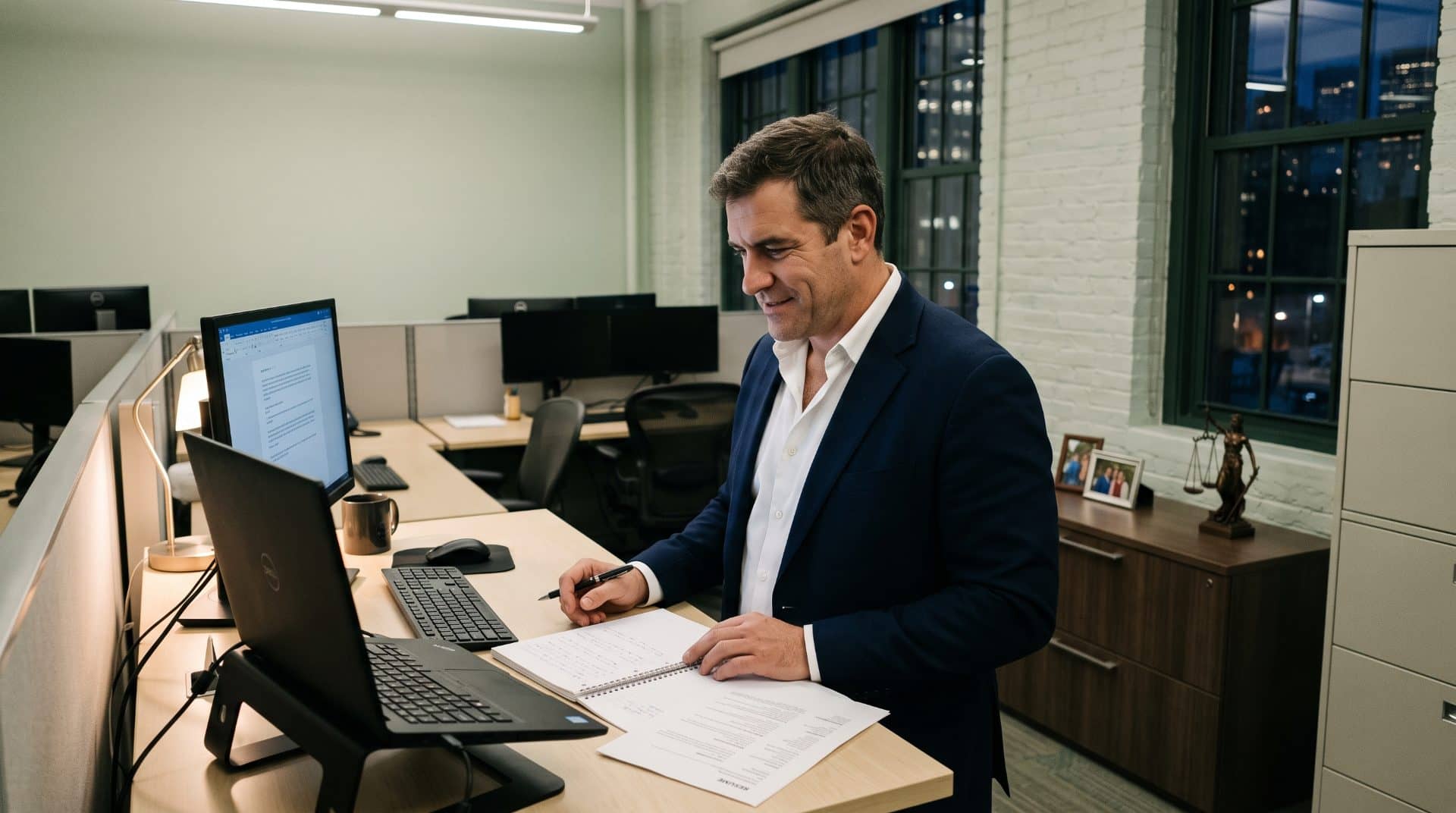
Your client's Thursday question gets answered Monday, and the staffing is not why. They feel every handoff built to keep the org chart out of sight: the status update that arrives secondhand, the answer a paralegal already had retyped by someone whose name is allowed on the email. Hiding an offshore team does not remove a seam. It manufactures one. The staffing is boring. I think the concealment is the part the client is actually paying for.
What does hiding offshore legal staffing actually cost?
Response time, which is the thing most firms hired offshore to protect in the first place. A draft finishes overnight and lands before the US day starts. Then it waits. Not for attorney review, which is real work and belongs on the calendar, but for a domestic name to come free and deliver it. One hour of work, one day of relay.
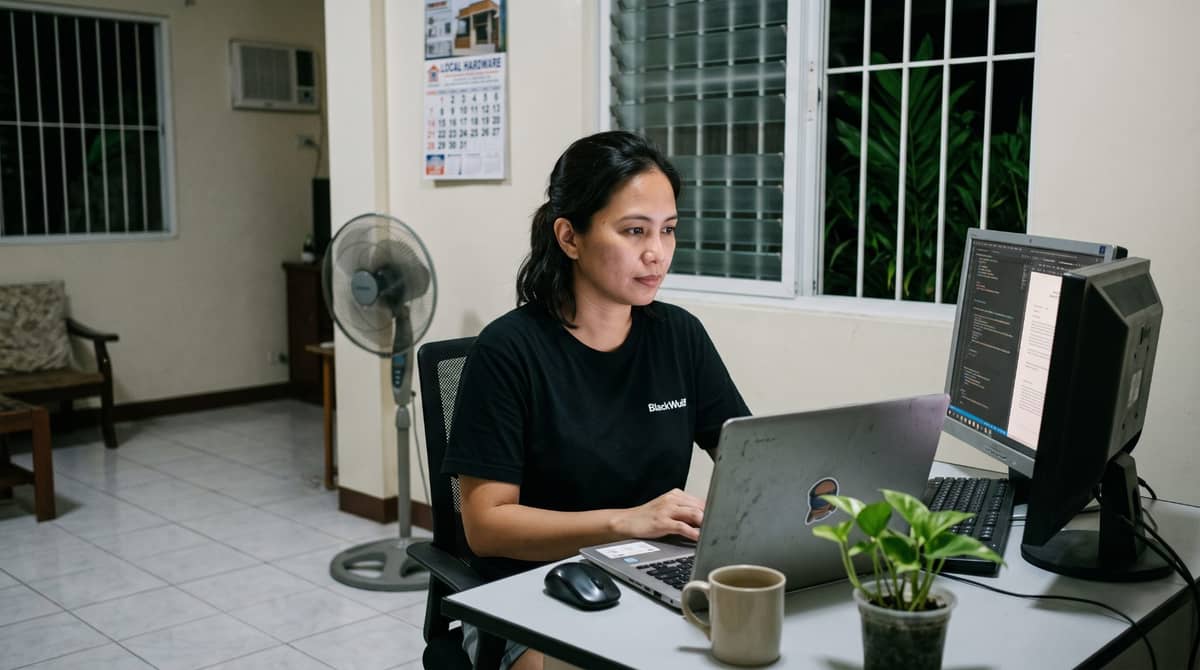
Routing a finished answer through a domestic associate so the signature block stays local is retyping rather than supervision. Supervision is somebody reading the work and owning it, and that happens whether or not the client knows who typed the first pass. The two get conflated because the second one is easier to explain internally.
Count the relays in a single week of client email. Sort them into two piles: the ones that exist because a lawyer had to read something, and the ones that exist because somebody had to be the face on it. The first pile is the practice of law. The second is theater with a billing code. Nobody was ever going to audit who typed the letter. They were only ever going to notice the wait.
Why do firms keep offshore staff off the email?
Firms keep the team quiet because clients buy a name, not a roster. Someone who signed with the partner on the billboard did not knowingly sign up for a bench in another time zone. Corporate clients compare rate cards, and a firm that volunteers where the drafting happens has opened a pricing conversation it never wanted. Confidentiality duties are real. Supervision duties are real. A quiet arrangement looks like the cautious version of both.
Confidentiality runs to the client's information, not to the firm's staffing. Telling a client who sits on their own matter discloses nothing to anyone outside it. Supervision cuts the same way: a named reviewer who reads the work and owns it is supervising it whether or not the client can see the drafter, and a client who can see the drafter can check that the review happened at all. Silence protects neither duty. It is still a position on disclosure, taken by default, by whoever is answering email at four o'clock. It is firm policy that has never been stated out loud, which is the shakiest kind there is.
The question is not open either. The ABA addressed outsourcing directly in Formal Opinion 08-451, including what a client is owed about who performs their work. I would rather settle this against a published opinion than against a hallway reflex at four o'clock. Your own staffing arrangement is the one document in the building that has never been cross-examined.
Visible does not mean announced. It means the question reaches the person who can answer it, and the answer comes back the same day, under a name the client has seen before. Everything else is a detour sold as discretion, and what it protects is the choreography rather than the confidence.
The seam was never the offshore team. It was the route around it.
Recommended Readings

Build Your Offshore Team Risk-Free
No upfront cost. Fill roles in 14 days. Pre-vetted, not just pre-screened.