
- SOPs
- Task Management
Quiet offshore staff scheduling moves the work fastest
Firms buy a shared workday; then they spend it on a single call.

Most firms buy more overlap than their work will ever use. Legal work moves in handoffs, not huddles, so the fastest arrangement is usually the one with the least talking in it. A draft leaves a US desk at 6 p.m. and is back by 9 a.m. Nobody needed to be online while it got written. The firm pays for a shared workday anyway.
What does a legal handoff actually need from an overlap window?
A handoff needs two windows, and both of them are short. One at the top of the US morning, where overnight work gets read and the open questions get answered. One at the end of the US day, where the next batch goes out with instructions on it. In between, the file sits with one person and nobody is waiting on anybody. A relay works on a clean exchange rather than on both runners sprinting the same stretch.
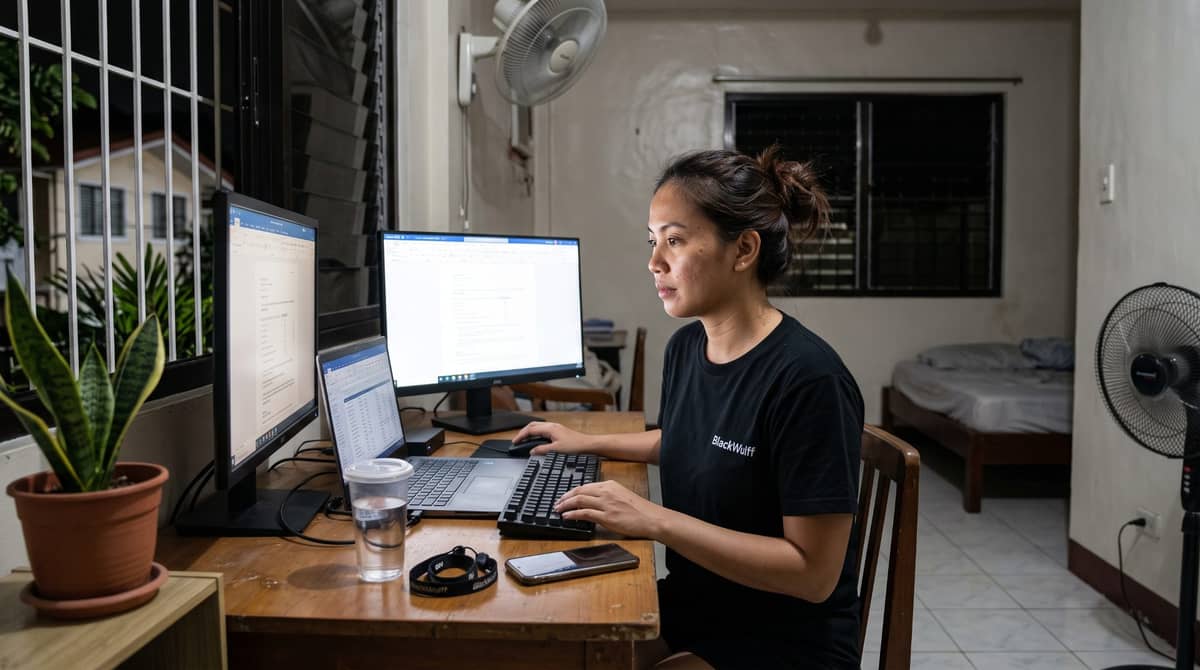
Some work genuinely wants people online together. A campaign being built live, a landing page argued over in real time, a strategy call where three people change their minds. Discovery is not that, and neither is a deposition summary, a medical records chronology, a cite check or a first pass at a motion. The pleading does not get better because two people were logged in at once. Asynchronous is not the compromise geography forced on a firm. It is how a document gets written anywhere.
Two short windows carry almost everything a matter needs in a day. The rest of the overlap is insurance nobody ever files a claim on.
Why does offshore staff scheduling get priced for hours nobody uses?
The job spec decides the schedule months before anyone looks at how the work moves. The line reads 9 to 5 Eastern. Full US hours go into the spec and the rate gets agreed against that line. Nobody asks which hours the work actually touches. Then the schedule gets used for one standup and a handful of pings. The eight-hour line in the spec has never been cross-examined, which is strange in a building full of people who do that for a living.
The reason for it is not stupid. Adjusters call. Opposing counsel moves a date, and somebody has to answer within the hour. A partner who can ask a question and get an answer in ninety seconds is buying something real. But availability has two sides, and only one of them was purchased. The Clio Legal Trends Report measures how much of a lawyer's day is actually billable. The hours a firm buys overlap for are the ones the supervising attorney spends in a deposition.
Not availability. A lit window in an empty office.
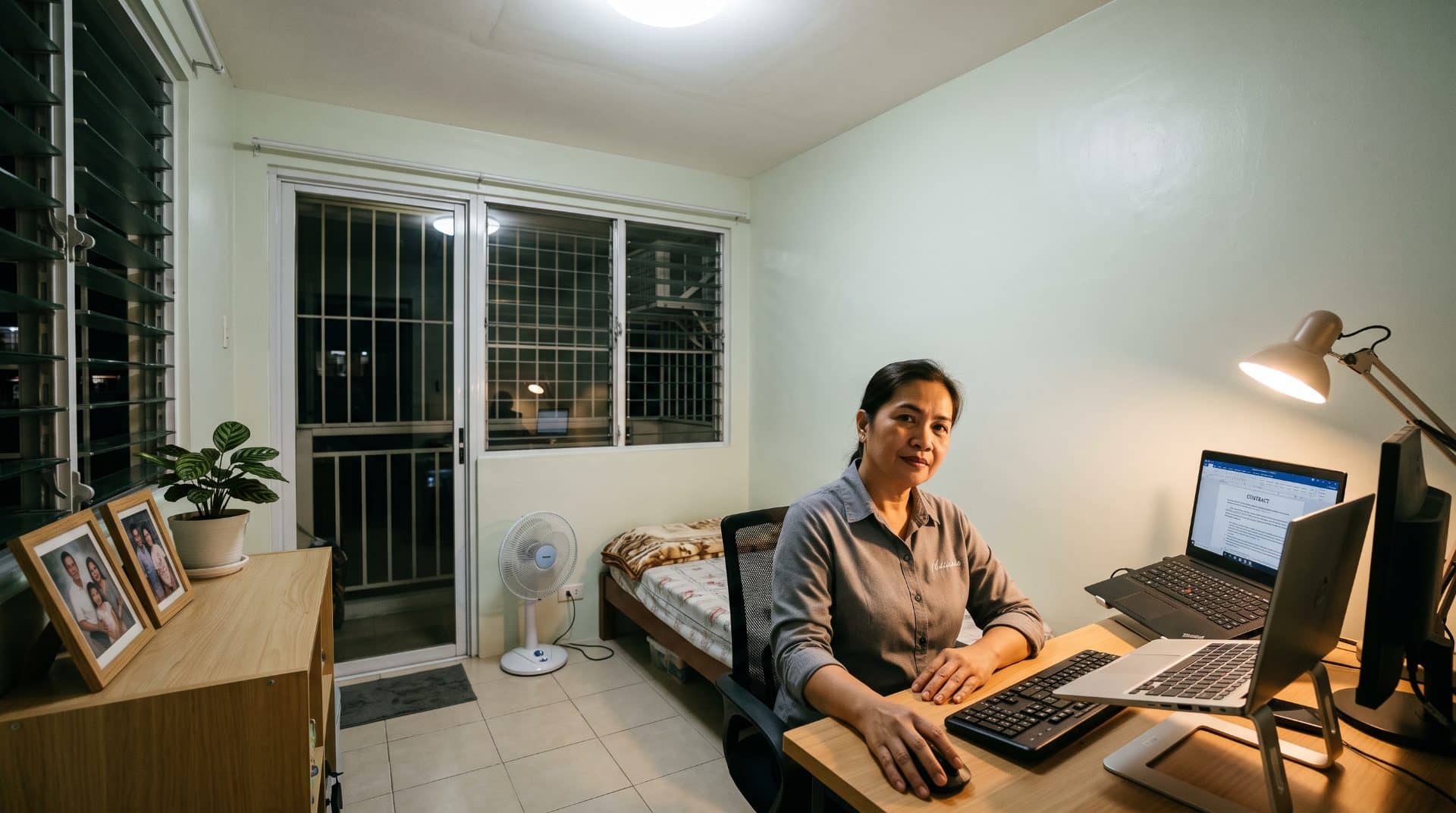
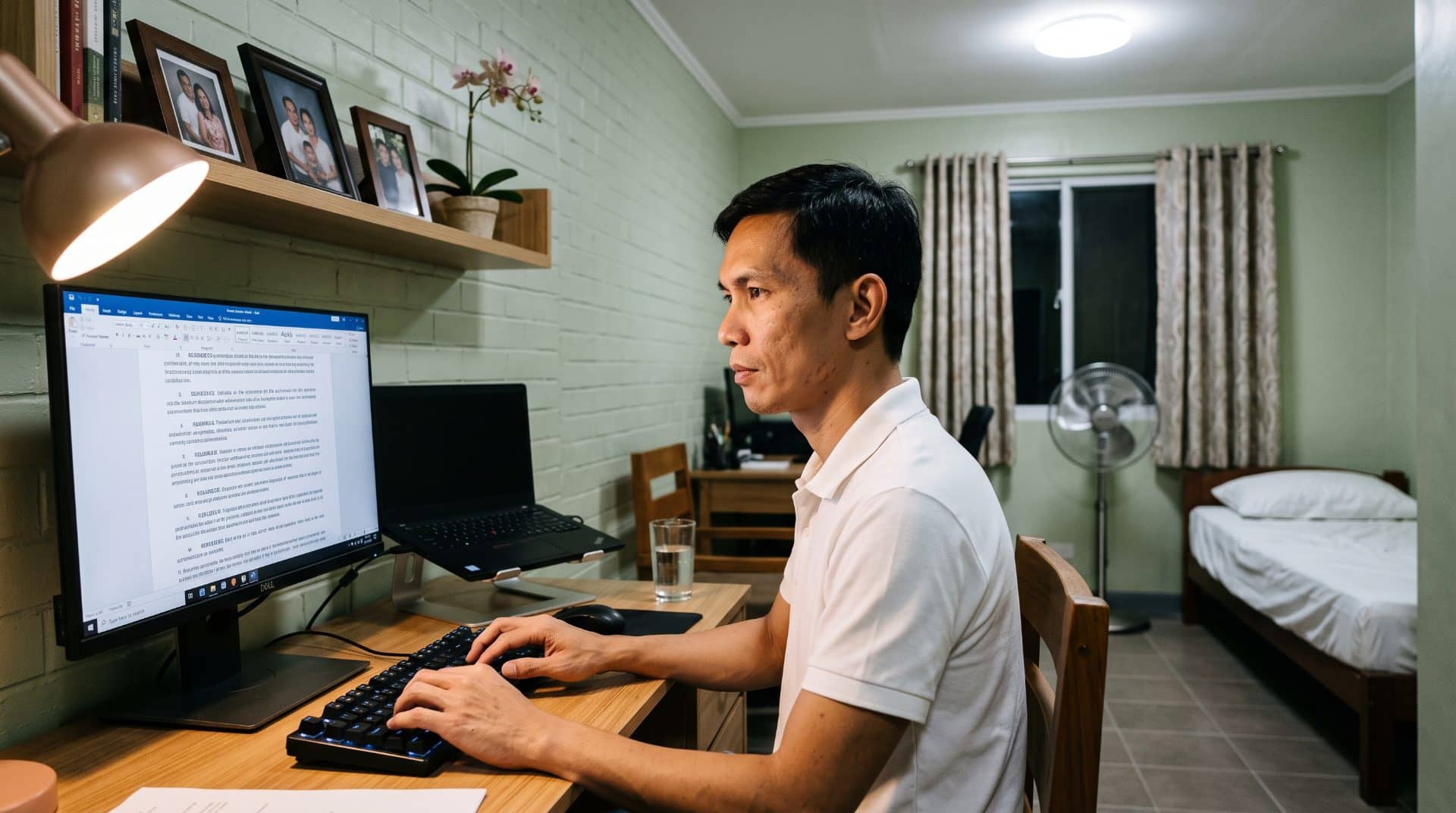
There is also a cost to the hours nobody uses, and it lands on the person working them. A shared US day is a night shift in Manila, bought at a flat rate because it was never separated out and priced. Buy two windows instead, and the schedule stops being a tax on both ends. The saving matters less than what it frees up, which is budget for the hours a matter actually turns on.
Count the exchanges a matter needs in a day. Buy those hours and stop there.
Related Topics

Recommended Readings

Build Your Offshore Team Risk-Free
No upfront cost. Fill roles in 14 days. Pre-vetted, not just pre-screened.