
- Onboarding
- Time to Hire
Offshore staff onboarding doesn't need eight hours of overlap
Four live hours cover the calls. The other four just shrink the pool.
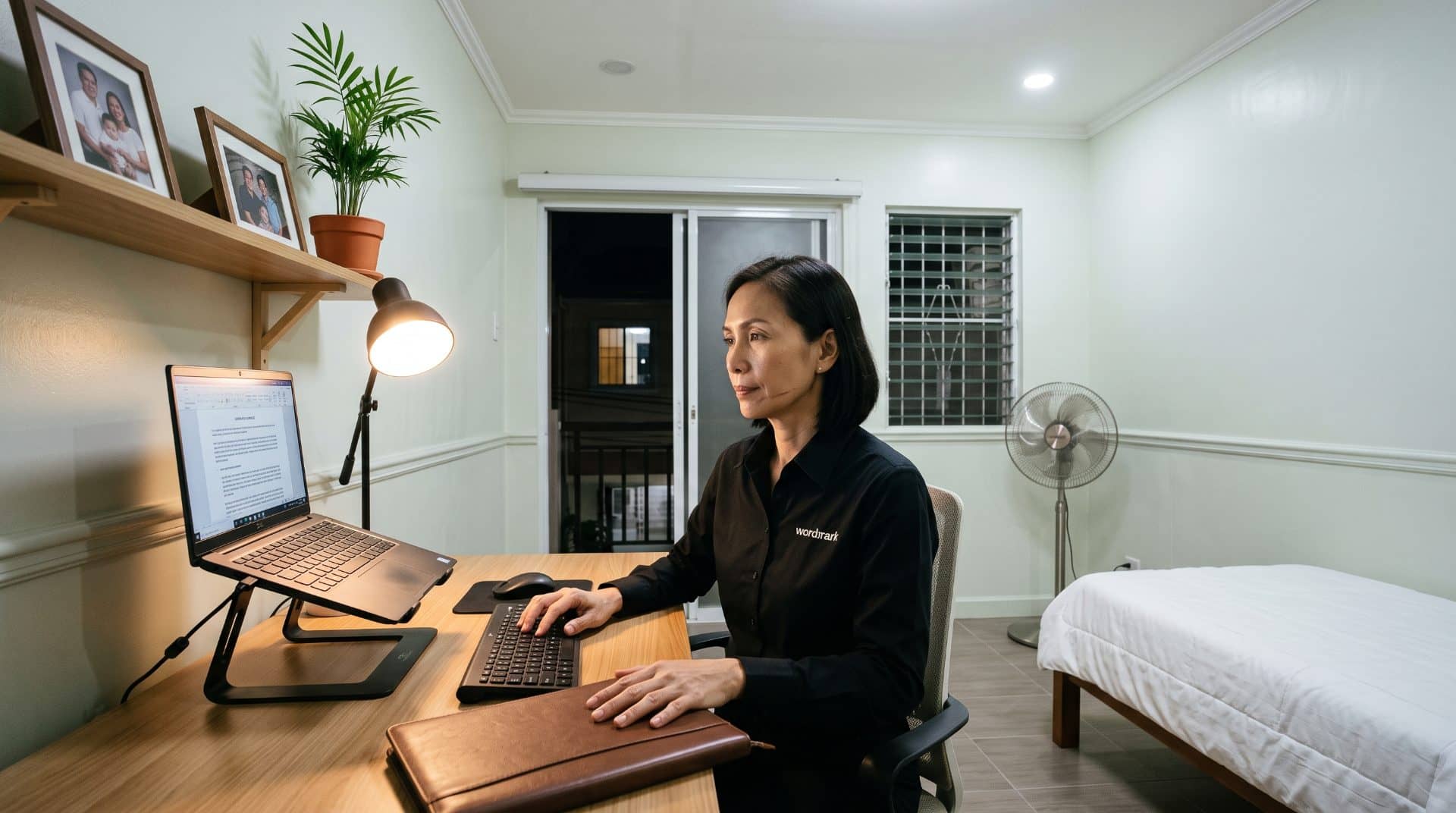
A firm writes eight hours of US overlap into the spec, and four of them are silence. Drafting and research fill most of the shift, and neither one needs a person awake on the other end. Most offshore roles need four hours of overlap. The second four get bought out of habit. I do not think they buy coverage at all.
Why four hours of overlap covers almost every offshore role
Count what genuinely has to happen at the same time. A morning handoff. A run of questions once the attorney is out of a deposition. One call where somebody explains what the client actually wants. That is the live part of a paralegal's day, and it is a window rather than a shift.
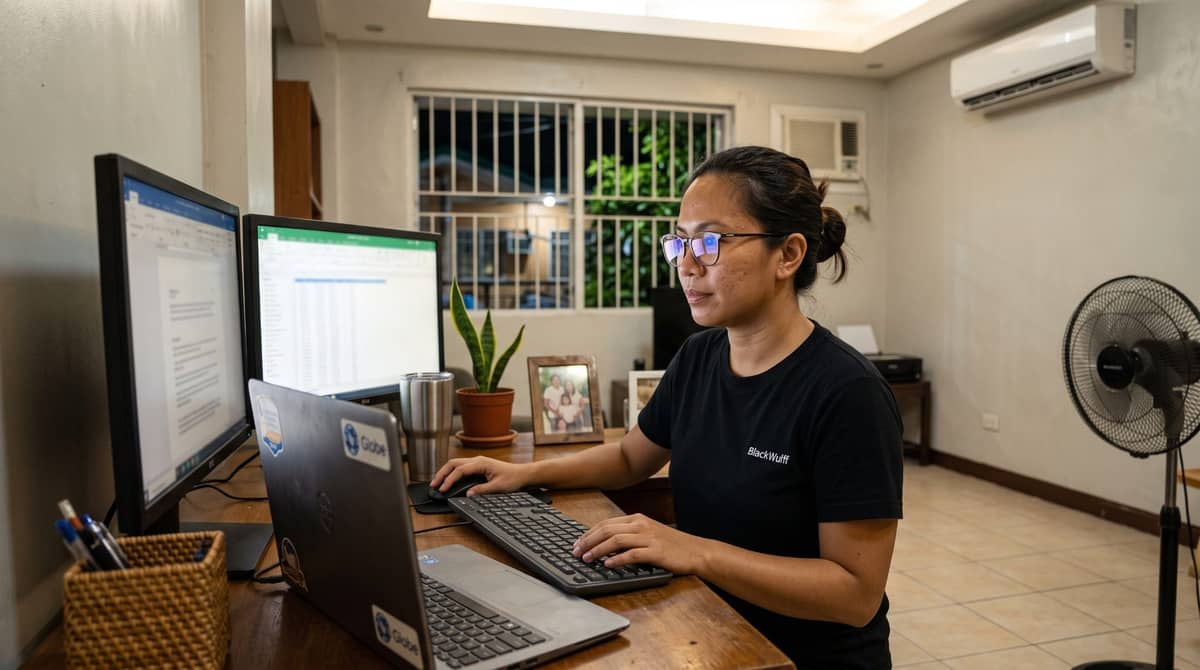
Everything else is specified work. A drafted demand letter, a records index, a landing page build, a keyword map for a practice area page. Those arrive finished or they arrive wrong, and the clock has nothing to do with which. A roughly 12-hour offset is a lag for conversational work and a second shift for specified work. Which one it becomes is settled in the brief.
Firms write full US hours into the spec before anyone maps which hours the work actually needs. Then a specialist sits in front of a screen at three in the morning so he is reachable through an afternoon nobody plans to reach him in. That is not coverage. That is a chaperone with a payroll number.
Reachable is not the same as needed.
What offshore staff onboarding should settle before the offer
Eight hours is not superstition. A partner who has waited overnight for an answer that took one line to give is not being precious about it, and that wait lands on the most expensive person in the building. Full overlap removes the wait everywhere at once, which is the simplest thing to buy and the easiest thing to defend to a committee. Nobody has ever cross-examined the eight-hour line in a spec.
It is written as though it were free, and it is the most expensive line in the role. Each added hour narrows the pool to people willing to hold an inverted day permanently, and a narrow pool is how a firm ends up paying more for less relevant experience. Night work is ordinary in the Philippines. Holding a full flipped clock for years, in a seat that needs four live hours, is a different ask, and I would price it like one.
So settle the window before the offer rather than after. Name the four hours. Say which of them are for calls and which are for questions. Then say what happens in the other four: drafting lands by the start of the US day and gets read when somebody is awake to read it. A firm that does this gets two shifts out of one seat. A firm that buys eight gets one shift with an audience.
Buy the window. Not the day.
Related Topics


Recommended Readings



Build Your Offshore Team Risk-Free
No upfront cost. Fill roles in 14 days. Pre-vetted, not just pre-screened.