
- Hiring Process
Staying on payroll does not settle the legal risk abroad.
The exposure comes from the laptop nobody placed, not the desk you chose.
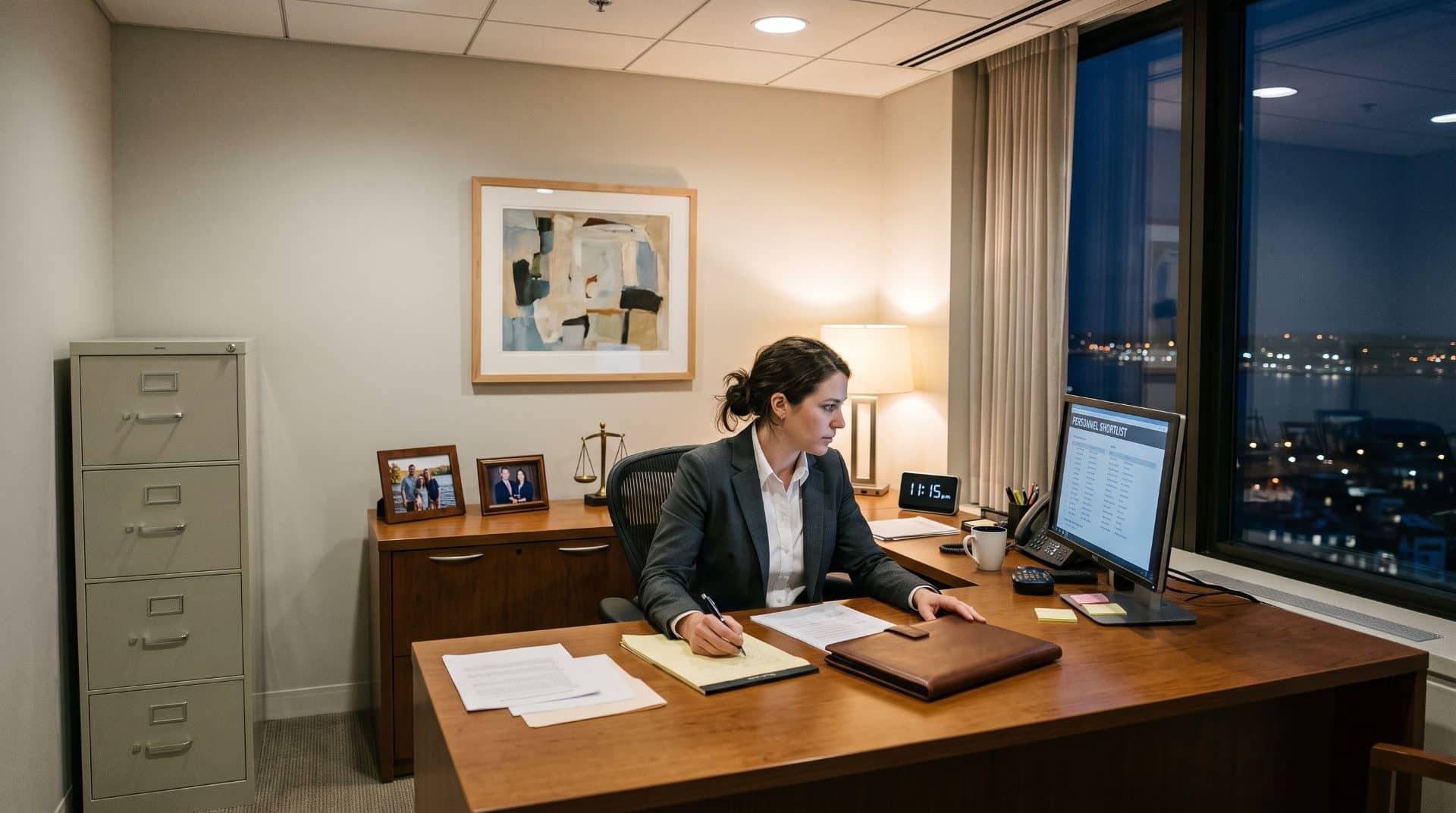
Approve a two-month stay abroad by reply email, and the firm may have just triggered a work visa requirement in a country it has never looked at. Human Resources Online reported this, quoting David Smail, Partner and Head of Employment, Singapore at DLA Piper, who puts immigration ahead of tax in the order of things to check. Staying on the home entity's payroll settles nothing. The employee's physical location drives the analysis.
The report walks through half a dozen exposures that follow a laptop across a border. The one Smail calls most overlooked is not tax. It is data protection, because where information gets stored and moved is a question each country answers for itself, and a secure connection is only the first part of it.
Where the work sits
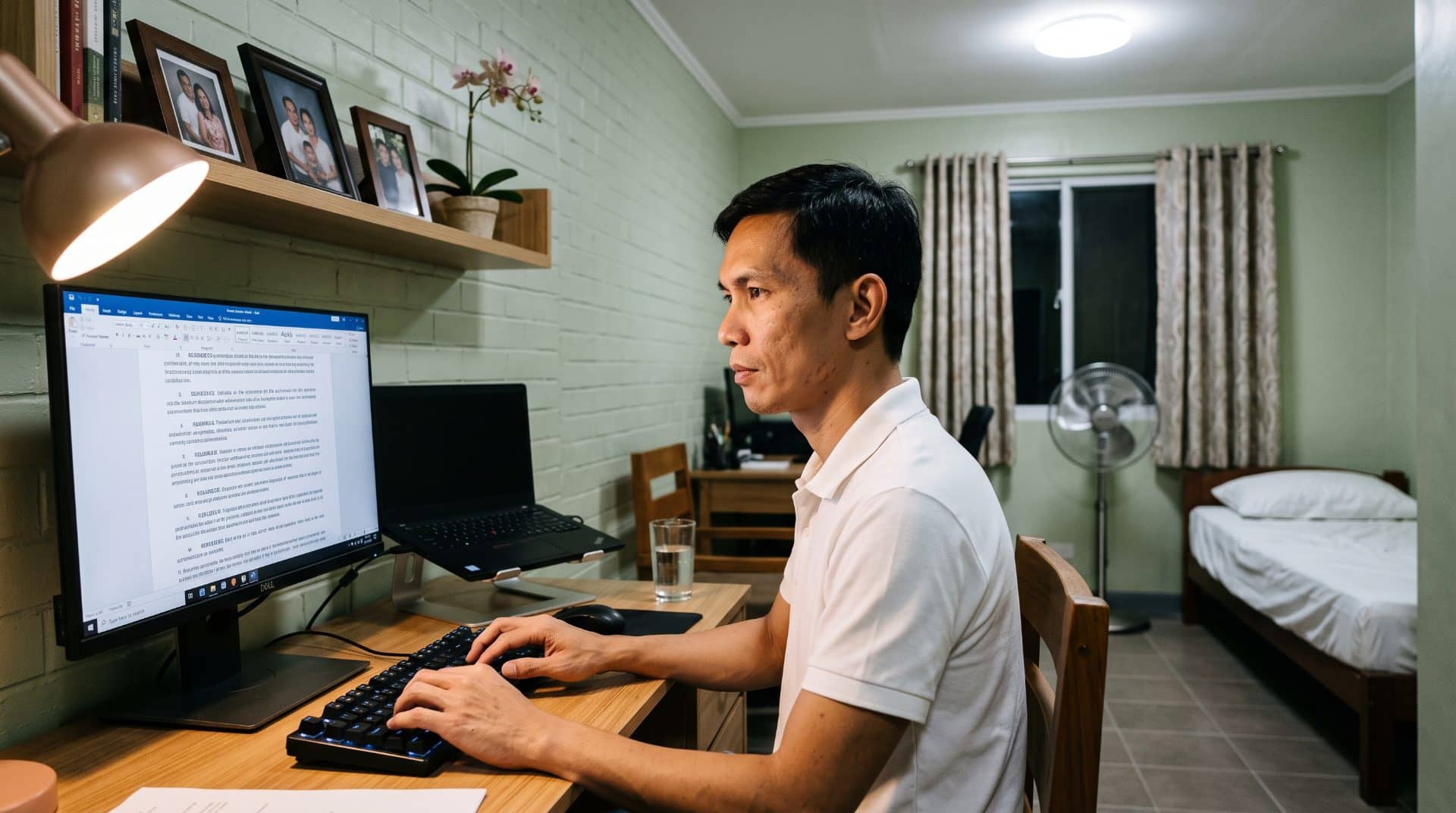
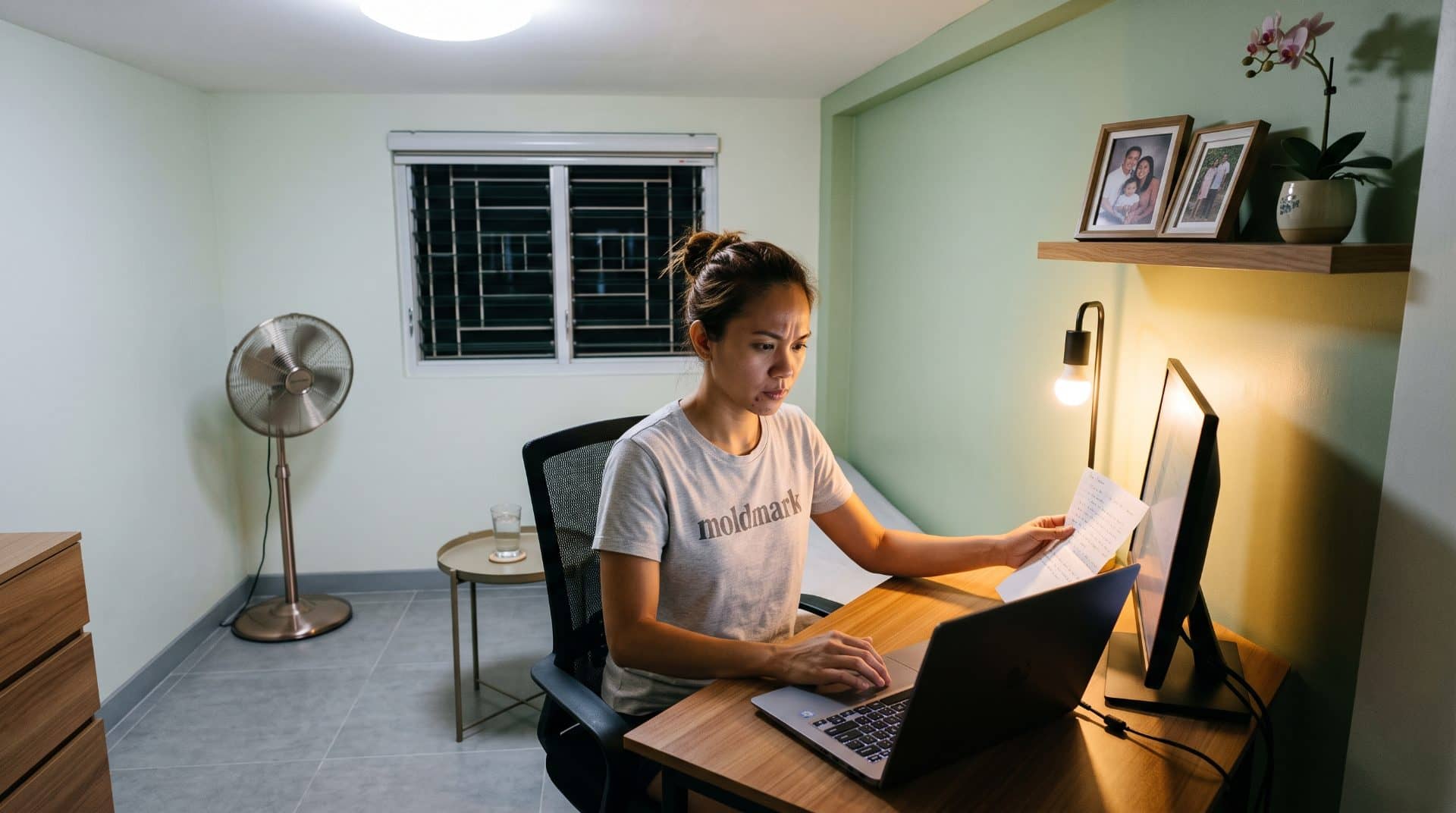
None of this is new to a firm that already has people working offshore. What is new is who picked the country. A managed offshore seat has an address the firm chose, documents signed where the person actually lives, and equipment the firm issued. A two-month stay approved over email has an address somebody picked on a booking site. That is not flexibility. That is a jurisdiction chosen by whoever booked the flight.
One of the biggest misconceptions about cross-border remote work is that it is simply a flexible working arrangement.
David Smail, Partner and Head of Employment, Singapore at DLA Piper
The duty has no address
For a US firm, the sharper half of this is the file rather than the visa. The confidentiality duty in the ABA Model Rules attaches to the information, not to the room it was read in, and it does not soften because the reader is on vacation. Approving a two-month stay by reply email is how a firm acquires a data residency question nobody opened. The approval email is the only thing on the record.
A desk with coordinates
Banning it outright is hard to hold. People expect to extend a family trip, the market for good staff is tight, and these stays really are email and internal calls. Smail's own framing grants the difference between an employee answering mail and an executive signing contracts. But he also says a short stay is not automatically risk-free, because what matters is the work being done rather than the days counted.
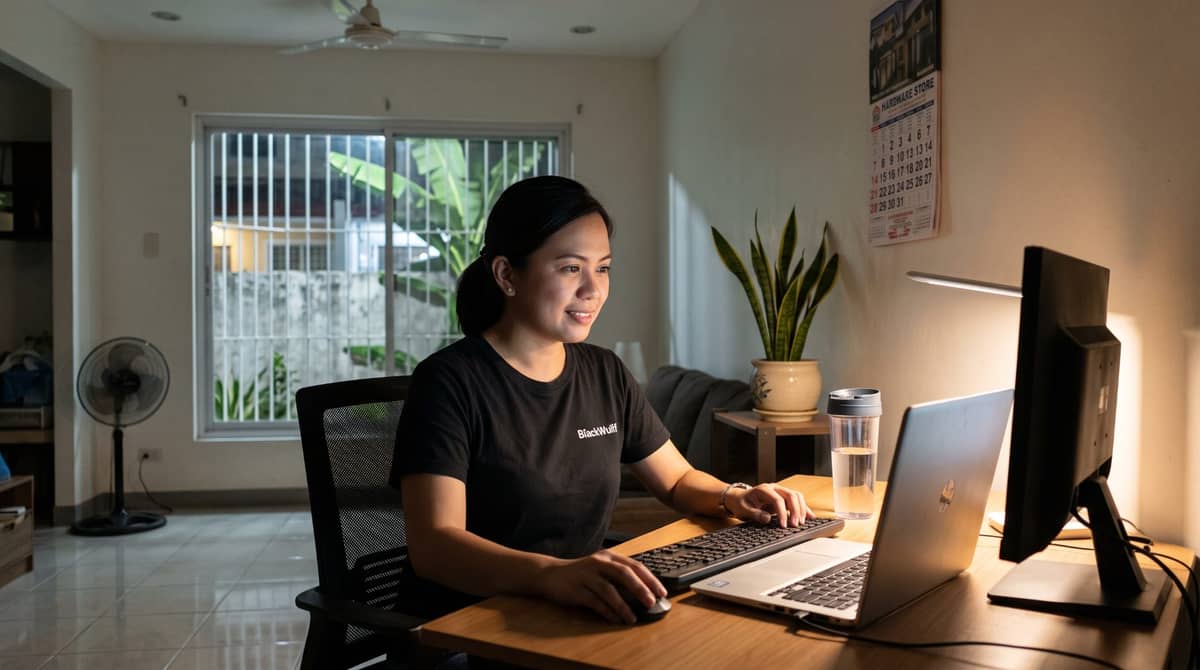
So the firm with a named paralegal in Manila, a signed local entity behind her, a fixed schedule and a company-managed machine knows exactly which rules apply to her. The firm that waved through a stay in a country it has never looked at does not. One of those arrangements gets treated as exotic and the other gets treated as a perk.
Offshore work has an address. Work from anywhere is the thing that does not.
Related Topics

Recommended Readings



Build Your Offshore Team Risk-Free
No upfront cost. Fill roles in 14 days. Pre-vetted, not just pre-screened.