
This freeze costs no money, yet it binds harder than a fee.
A benefit the employer never controlled, withdrawn in an afternoon.

A retention tool eight large employers were leaning on stopped working on October 8. The US Department of Labor suspended green card processing for them, TradingView reported. Microsoft and Infosys are on the list. The stated reason is an investigation into alleged misuse of employment-based immigration programs.
What was actually frozen
PERM is the first step in turning an H-1B into an employer-sponsored green card. New and pending applications stopped. H-1B holders can keep working, existing green cards stand, and nobody has been ordered out of the country.
So this quarter's staffing is untouched. What stopped is the paperwork that kept people from answering recruiters. Nothing was taken from those eight companies except the promise they had been making, and that promise always had somebody else's signature on it.
Whose benefit it was
Sponsorship is the longest-serving retention instrument in that industry. It costs patience and filing fees. It buys years. A person deep into the queue does not take the call.
None of it was ever the employer's to give. The approval sits elsewhere, the timeline sits elsewhere, and the whole arrangement can be paused by people who have never met the employee. So it was never a benefit the employer owned, only a hold a third party could release.
What a firm takes from it
I read this as a different story from the fee stories, and the difference is the whole point. A fee is a price. A price can be paid. This one costs nobody anything and binds harder. No money changed hands and eight workforces got less sticky in an afternoon.
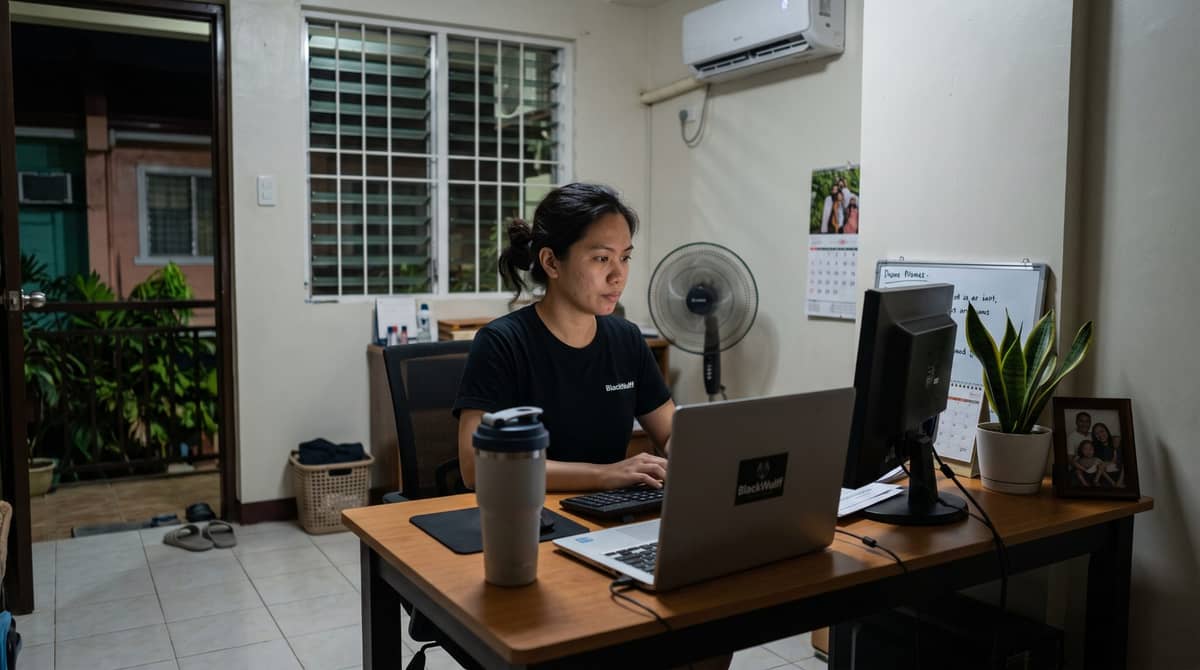
US firms that do not sponsor employees are unaffected by the mechanism. The habit does. List every reason a key person stays, then cross out the ones a third party can withdraw: a vendor's contract, a bonus that vests, a seat nobody else is hiring for right now. What survives the crossing out is the retention a firm actually owns, and it is a short list. Staying has to pay better than leaving, on terms the firm sets and can keep. That short list is where retention gets built.
The payroll did not change this week. The reason to stay did.
Recommended Readings






Build Your Offshore Team Risk-Free
No upfront cost. Fill roles in 14 days. Pre-vetted, not just pre-screened.