
- Hiring Process
- Onboarding
Refilling a seat twice costs more than the overlap was worth
Full US hours look like a scheduling detail and cut pay. What it selects for.

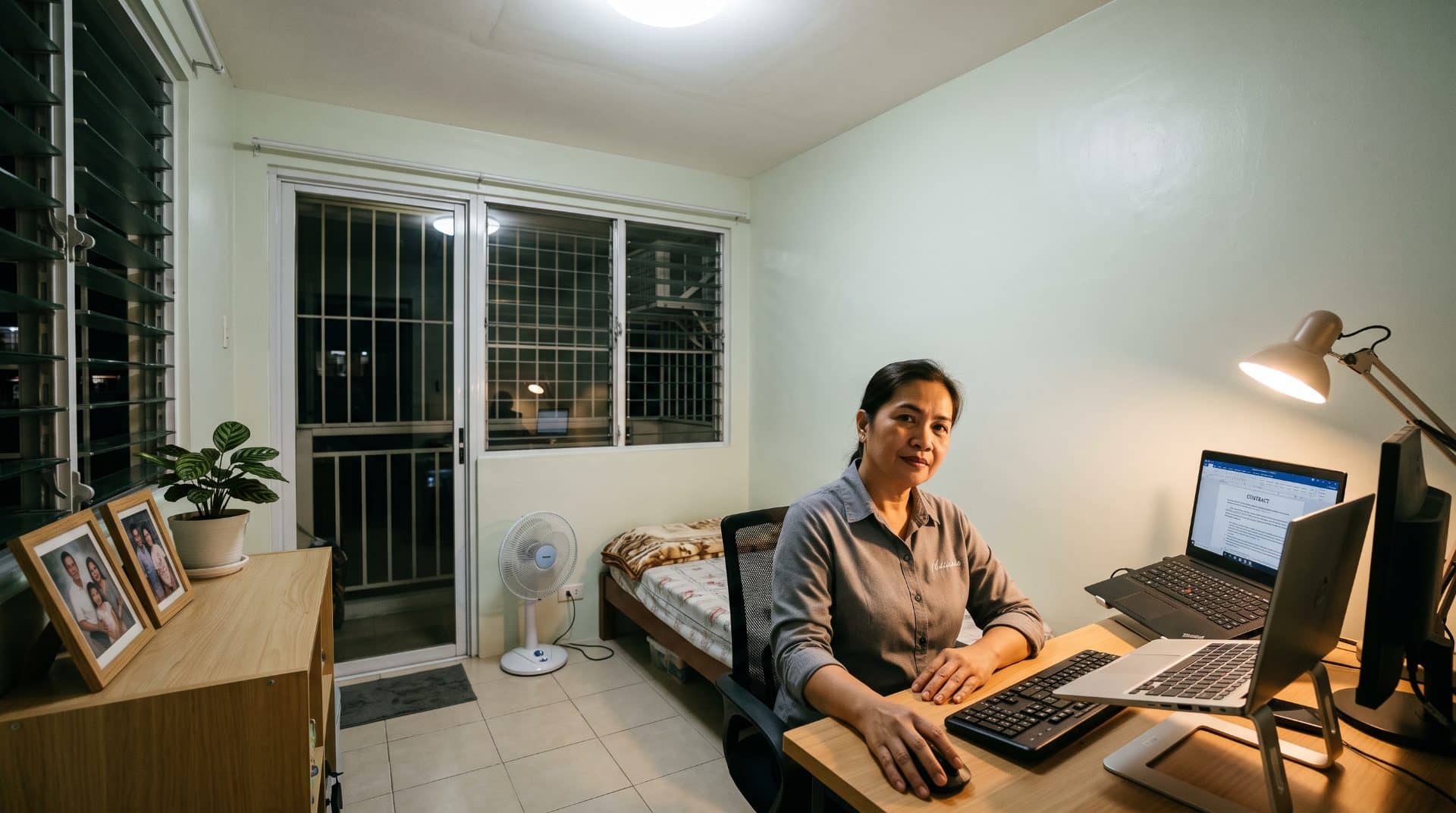
The seat you filled six months ago is open again, and the hours line in the spec is why. A 9 to 5 in New York is a night shift in Manila, and the schedule is priced at zero. It shows up in the job spec as a line about hours. Hours are not what it is. The firm is asking somebody to invert their sleep, their weekends and their family, and asking for it for free. That is compensation, taken back quietly. Refilling the same seat twice costs more than the overlap was ever worth, and nothing on the invoice says so.
Why do firms ask offshore hires to work full US hours?
Firms ask for full US hours because a hire they can reach at any moment is easier to manage. That is a real reason. A partner used to walking to a doorway does not want to learn at 4pm that the answer comes tomorrow. Asynchronous work has a genuine cost, and anyone who says it has none has never run a filing week. The reflex to buy the whole day is not laziness. It is a manager protecting the one thing a matter cannot survive losing, which is time.
Then the spec gets written. Copy last year's posting, change the title, leave the hours, publish. Nobody has ever cross-examined the eight-hour line in a spec. I do not think most firms want the whole day. They want the answer before the day ends, and four hours of overlap buys that. Read the spec again and count the tasks that need a live person at 3am Manila time.
The answer is usually intake, and intake alone.
What full overlap selects for in the offshore staff onboarding pool
A full-overlap requirement selects for availability, and availability was not the trait on the job spec. Two candidates read the same posting on the same morning. One has three years on personal injury files, a certification, and an employer who would like to keep her. The other needs the job this month and has nothing to negotiate with. Only one of them takes a graveyard schedule at the rate a day schedule would pay. That screening happened before the first call, and nobody at the firm was in the room for it.
Nothing here is a Filipino labor story. The night shift is ordinary work there, the way it is for nurses everywhere, and good people do it for years. What breaks is not the body. It is the arithmetic: the same person, six months in, sees four hours of overlap at the same money. The schedule is the only difference and it decides. Indeed Hiring Lab tracks which roles sit longest before they fill, and a constrained posting thins to whoever cannot refuse.
Availability won the seat, and nobody chose that.
Price the hours or lose the hire twice
The fix is not to abandon overlap, it is to buy it on purpose. There are two honest ways to do that. Pay a differential for the hours outside a normal day, the way every industry running shifts already does. Or cut the requirement to the hours the work genuinely needs and run the rest on written handoffs. Write the hours into the offer, not just the spec. A candidate who can see what the night is worth has a reason to stay in the seat.

The invoice never shows any of this. A schedule requirement carries no line item, so it reads as free until the resignation lands. Then the firm goes looking for a cause, and it lands on the person who left. Not a people problem. Of everything written into a job spec, the hours line is the one I would rewrite first. A terms problem, written in on day one by somebody deciding nothing.
Decide what the overlap is worth before a candidate decides for you.
Related Topics


Recommended Readings





Build Your Offshore Team Risk-Free
No upfront cost. Fill roles in 14 days. Pre-vetted, not just pre-screened.