
- Cost Comparison
A direct hire carries no lease, no queue, no floor to fill.
BPOs are chasing cheaper provinces. A direct hire already had that saving.
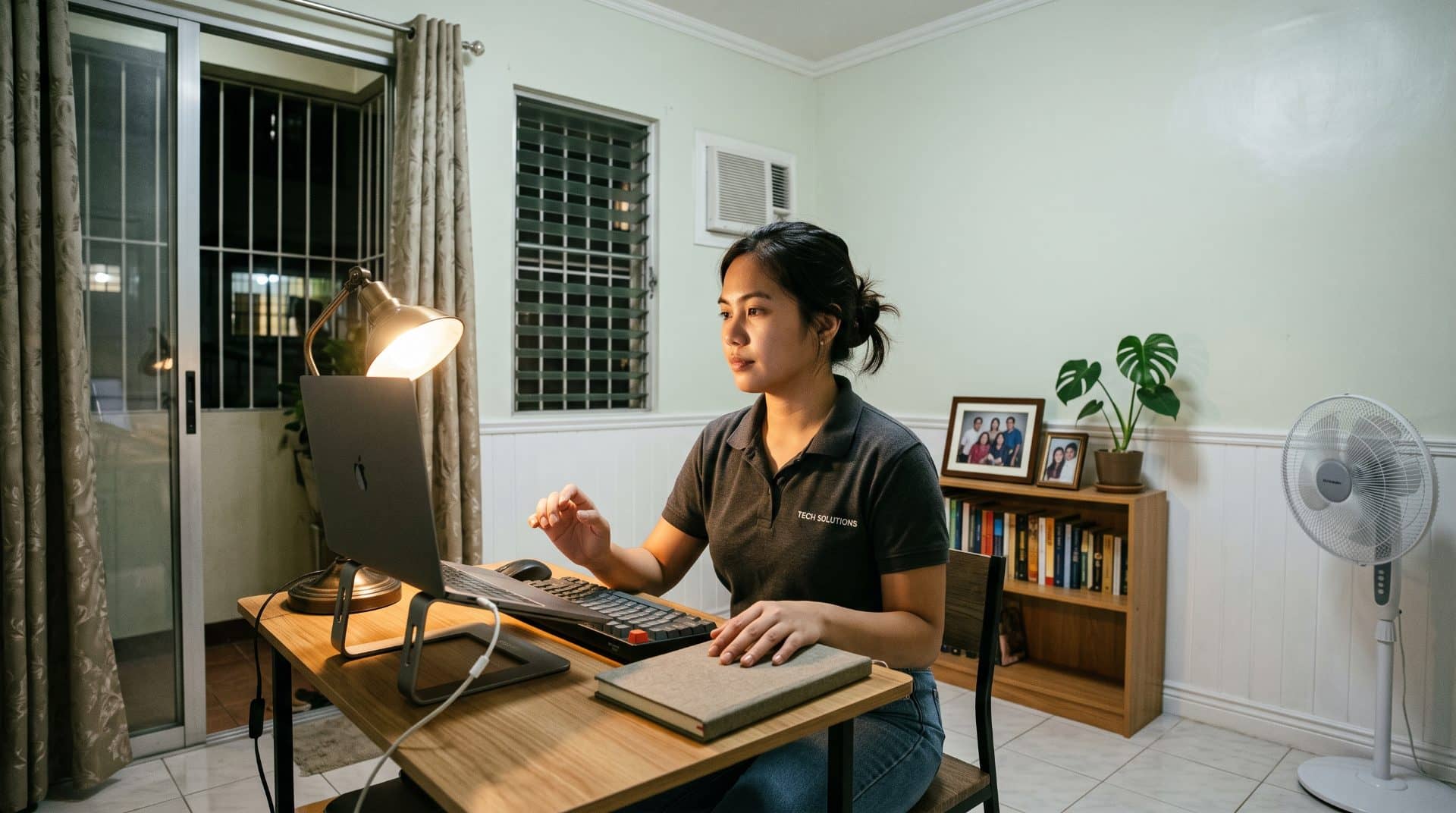
The saving a provider is chasing across the Philippines right now is one a firm hiring directly already has. Rising wages in Metro Manila are pushing business process outsourcing firms out to provincial cities, where labor is cheaper and fewer companies are bidding for the same recruits. Outsource Accelerator reported the trend from PRIME Philippines' third-quarter briefing, where the consultancy traced a run of increases in the capital: P20, then P30, then P40, and now P60, worth $1.03.
Sean Grantley Chua, PRIME's manager for research and advisory, said an expanding BPO mitigates that by going where labor is cheaper, "for lack of a better way of saying it." The catch is what is waiting there. PRIME pointed to limited Grade A office space and unreliable power and internet in smaller markets, and Chua said that in Tier 3 cities such as Zamboanga and Dumaguete, many firms are working out of the upper floors of commercial arcades.
Where the cost actually moved
A BPO has two heavy lines on its cost sheet. The lease and the payroll. Moving the site is the one decision that cuts both in a single stroke, which is why a P60 raise shows up as a property briefing rather than a hiring one. Hannah Yoshida, PRIME's senior head for VisMin markets, said some firms move early so local hires can grow into future leaders, and that one is genuinely about people. The rest of it is rent and a thinner recruiting queue.
A US law firm hiring a paralegal carries neither of those lines. No lease, no queue, no floor to fill. The arbitrage those firms are now driving across the country is one a direct hire captured on the first day it existed.
The check is per person
The report closes with advice for buyers: check backup power, redundant internet links and continuity plans before signing. Sound advice, written for somebody leasing seats in a building they will never visit. A city's grid is not a thing a client can inspect, and a continuity plan is a document about a plan.
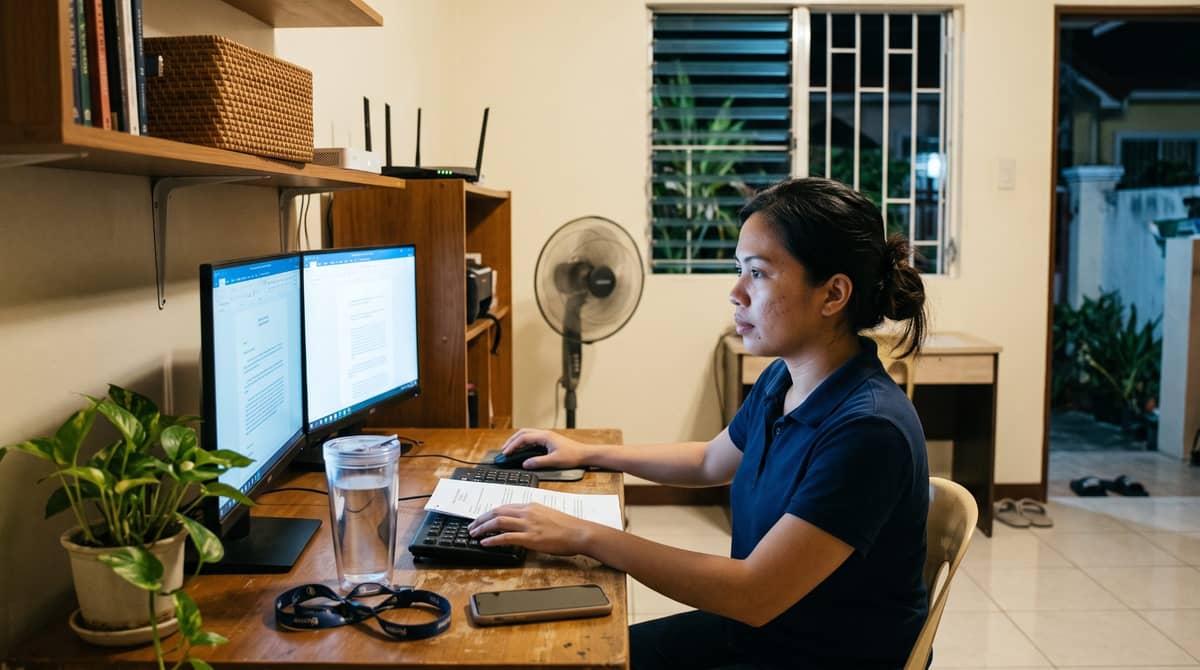
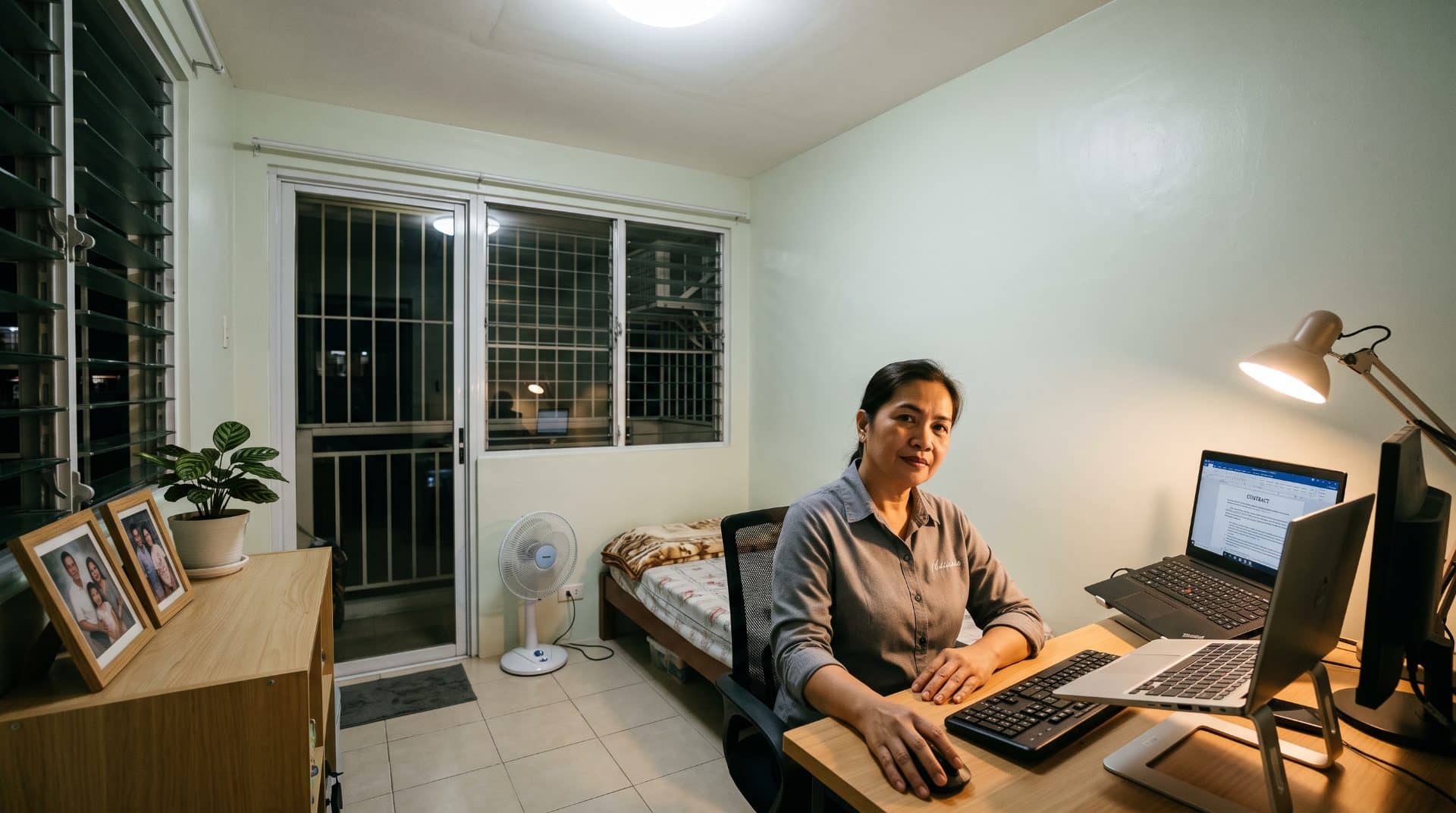
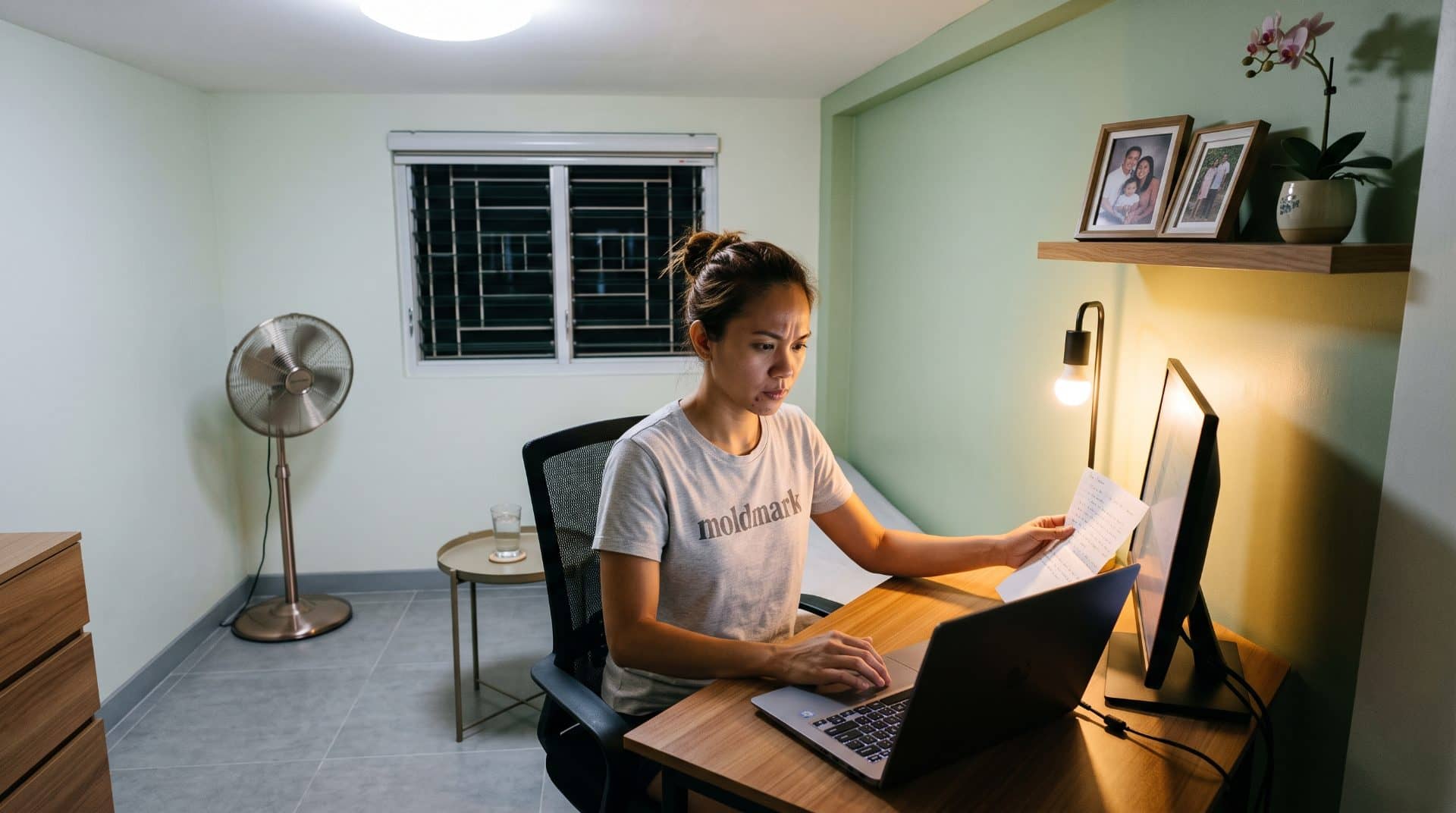
When the arrangement is one person at one desk, the same question shrinks and gets better. What happens here when the power goes out, and for how long? Backup power and a second connection are the burden of proof here, and a city cannot meet it. A household can, and it can do it before an offer exists. Ask the person.
What a city rate tells you
The Robert Half guide prices the same role differently by city across the US, and no managing partner reads a lower range in a smaller market as a competence score. That same spread is now opening up inside one country. A rate quoted out of Dumaguete and a rate quoted out of Makati are both Philippine rates, and the gap between them is a fact about rent.
Comparing providers by which cities they are opening seats in sorts them by their real estate strategy, which is not the thing being hired. A provider passing on a Tier 3 rate is handing over a rent saving and keeping an uptime risk that never appears on the invoice. Worth asking about. Worth asking about once, at the level of the desk rather than the map.
A city can be cheaper. A desk is either up or it is not.
Related Topics

Recommended Readings



Build Your Offshore Team Risk-Free
No upfront cost. Fill roles in 14 days. Pre-vetted, not just pre-screened.