
- First 90 Days
- Paralegal
Hire an offshore legal team and review becomes the limit
Four producers, one reviewer: the constraint was never capacity.

Hire an offshore legal team and the arithmetic you ran for the first hire quits on you. One person is a capacity question: can this paralegal absorb the backlog that has been aging in the corner since spring? Four paralegals plus a marketing hire is not that question multiplied by five. The constraint moves. It stops being how much work the firm can produce and becomes whether anyone inside the firm can read what comes back.
Hiring one person tests the market. Hiring a team tests the firm.

What actually changes when the hire becomes a team?
The per-seat instinct is rational and I want to give it its due. A firm that has been burned before is right to size the first hire small, right to want one person working for ninety days before anyone talks about a second, and right to treat cost per seat as the number that matters, because for one seat it is. That discipline is why the first hire usually works. It is also why the fourth one so often does not.
One paralegal is absorption. The backlog goes down, nobody's job changes, and the attorney who was drowning is now merely busy. Four paralegals and a marketing person is a different machine: the firm can now take on matter types it was previously turning away, and the marketing hire is actively generating the intake that fills them. Output stops being scarce. Attention becomes scarce instead.
That is the moment the whole thing quietly stops being a staffing decision and starts being a workflow decision. Most firms find out about the switch after they have already made the hires.
Why a bench of ten exists in the Philippines and not in your market
The Philippines has been the destination for business process outsourcing for sixteen years, and that history is the reason a bench of ten can be assembled there on a timeline no local market will match. General assistance is readily available: intake coverage, document handling, scheduling, the marketing production work that sits behind a campaign. If a firm needs five people who can be trained into a process, that is a solved problem.
Experienced paralegals are the exception, and they take roughly twice as long to find. Which means a team built quickly will be mixed in seniority, always. A firm that plans for that gets a deliberate spread: one or two people who need very little, several who need a defined process and a reviewer. A firm that does not plan for it gets the same spread by accident and calls it a quality problem.
Review capacity comes before producers, not after
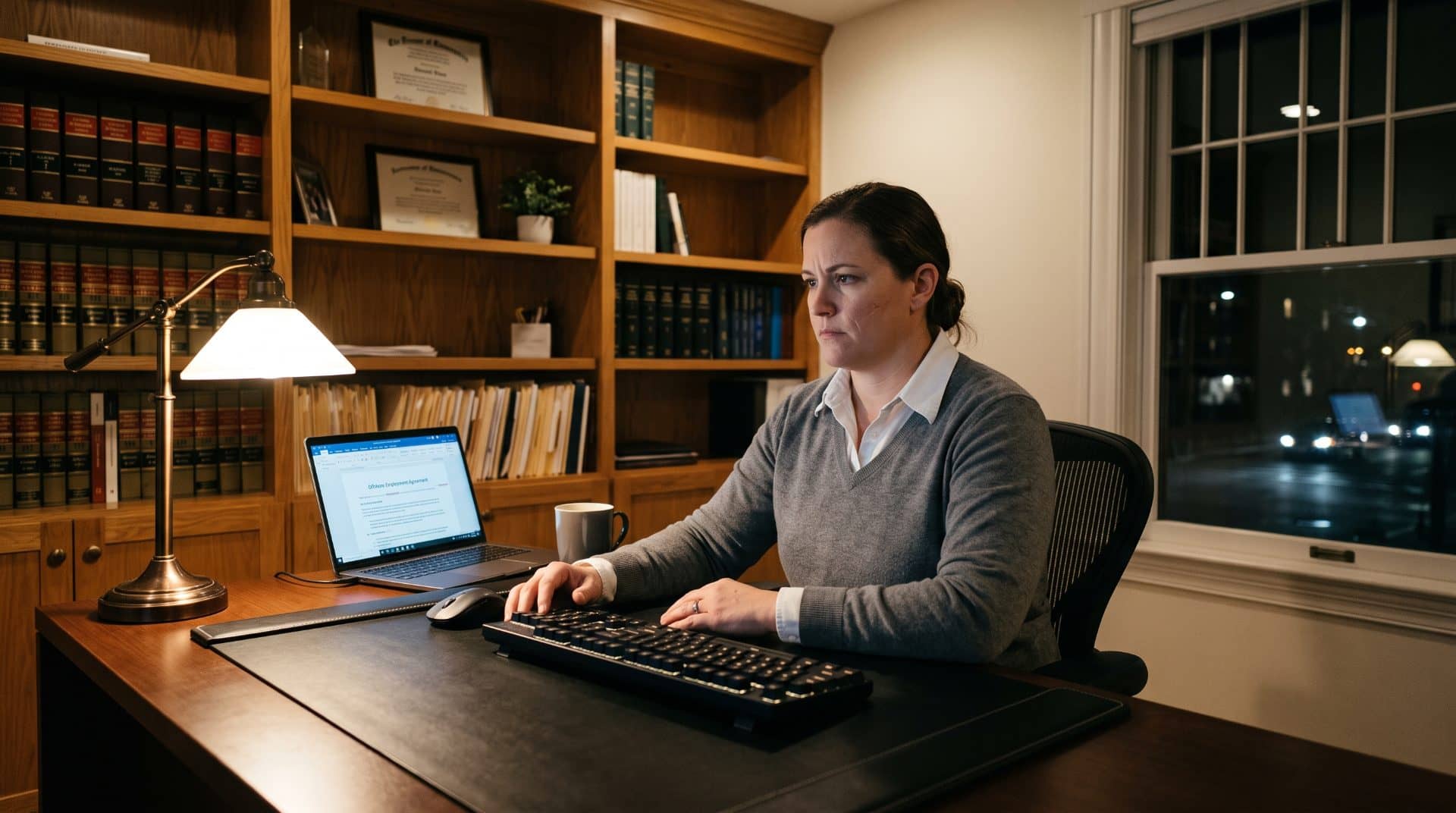
This is the one pattern I would put money on. Across the placements I have been involved in, the firms that scaled successfully added review capacity before they added producers. The ones that struggled hired four people and kept one reviewer, and that reviewer was usually an attorney who was already the bottleneck before anyone offshore existed.
The practice is easy to recognize because it looks like efficiency. Approve four seats in one budget cycle, because the per-seat number is identical to the seat that already worked. Point them at the same senior associate who checked the first hire's work. Wait for throughput. What arrives is four people producing at once into a queue that one person reads at night, and that is where the wheels fall off. Not a quality problem. A capacity problem in the wrong seat.
Review capacity does not have to be an attorney for every piece of it, and part of it can be built offshore: a senior paralegal checking a junior's work is review. What cannot move is the part the profession will not let move, and the model rules are explicit that the duty to supervise nonlawyer assistants sits with the lawyer. So the real question before the fourth hire is arithmetic on the reviewer, not on the producer. Count the reviewers. If the count is one, the firm is not hiring a team. It is hiring a queue.
People also ask about this
How to build your offshore team
How to manage an offshore team
How long does it take to hire experienced paralegals offshore compared with general support?
Related Topics

Recommended Readings





Build Your Offshore Team Risk-Free
No upfront cost. Fill roles in 14 days. Pre-vetted, not just pre-screened.