
- Cost Comparison
- Salary Benchmark
A subsidy that large still doesn't change the real work
A year of evidence collected at a tenth of the price is not evidence.
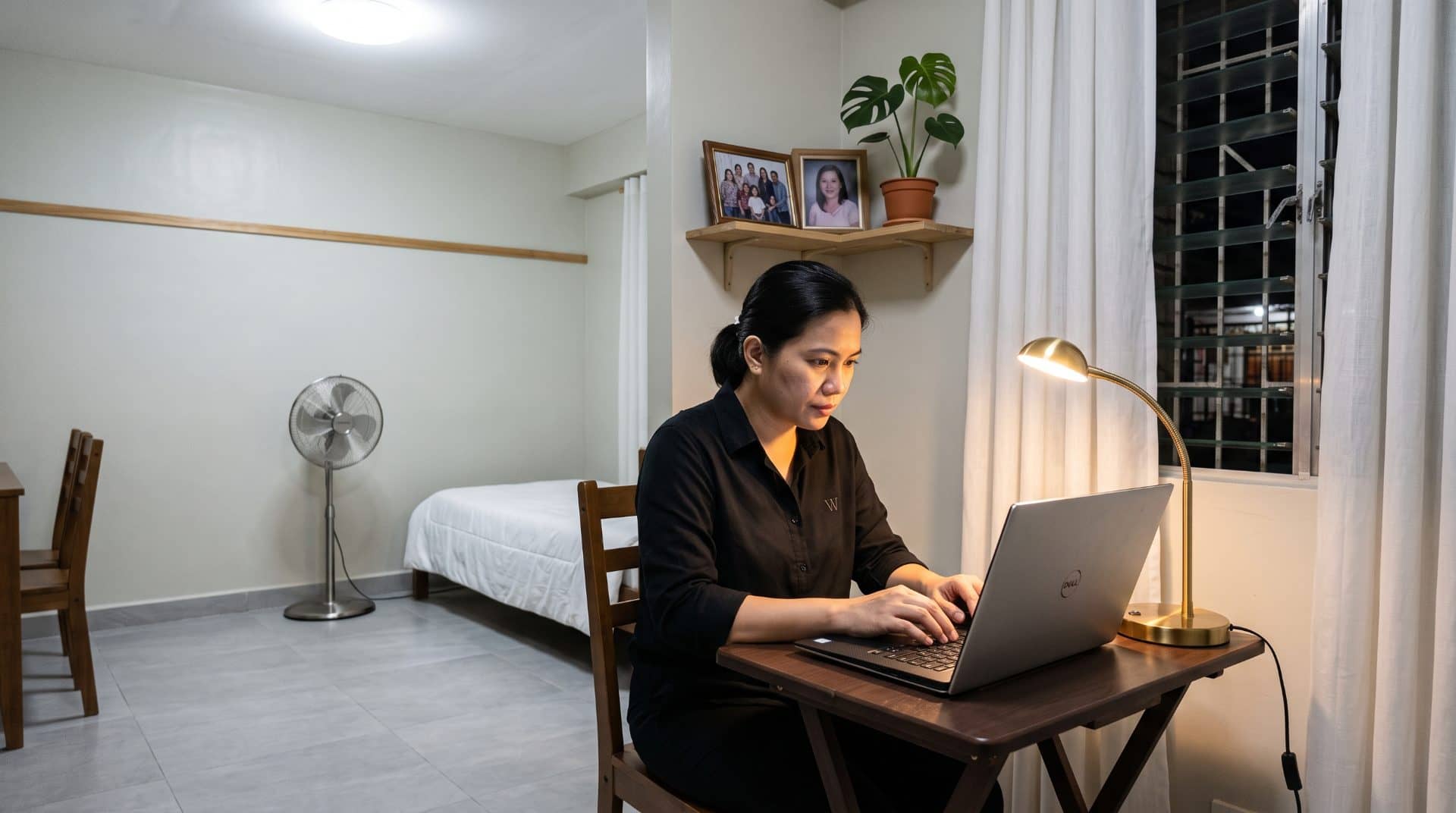
A hire you tested for a year at a tenth of its cost has told you nothing about what it is worth. Greece is about to fund that experiment at scale: 90% of salary and social security contributions on a qualifying remote hire, for one year. Month thirteen is the employer's alone. The subsidy applies when a business hires a registered unemployed person from a mountainous or hard-to-reach area to work remotely. Outsource Accelerator reported the announcement from Labor and Social Security Minister Niki Kerameos, who did not say how many jobs the program would fund or when it would start. Convenient omissions.
The aim is demographic. Pay employers to hire where people already live, and fewer people leave for the cities. As regional policy, that holds together. As a hiring signal, I read it differently.
What a discount measures
A subsidy that size does not change the work. It changes one line on a spreadsheet, for twelve months, and then it stops. Everything the employer learns in that year arrives priced at a tenth of the real thing. Not a trial. A free sample. The hire looks like a bargain because for a while the hire is a bargain, and nobody cross-examines a line item that was never charged.
The thirteenth month
Then the full rate lands and the employer has to decide. He has a year of performance data and none of it speaks to the question in front of him, which is whether this seat is worth what it actually costs. A trial priced at nothing tests nothing. The subsidy postponed the decision rather than easing it, and the delay gets charged to year two.
US firms run the unsubsidized version of this constantly. Hire the cheapest available version of a role, watch it for a year, and let the rate stand in for the judgment about whether the work was worth doing. The seat gets graded on what it cost rather than on what came out of it. A cheap year of unread output is not cheap; it is only unpaid for.
What the money does not reach
Ninety percent of a salary is still only a salary. What makes a remote seat work sits nowhere near the payroll line: the criteria written down before anyone starts, the named person who answers questions, the place where finished work lands so the next hire does not rebuild it. Greece is funding the one input that was never the constraint.
None of which makes the program wrong. I would take the money too. A village keeps a working-age household and a firm gets a year of cover, and both of those are real. But the firm still has to answer in month thirteen whether the work earned its keep, and the only year it has to go on was the year it did not pay for.
A seat you got for free never told you what it was worth.
Related Topics

Recommended Readings


Build Your Offshore Team Risk-Free
No upfront cost. Fill roles in 14 days. Pre-vetted, not just pre-screened.